
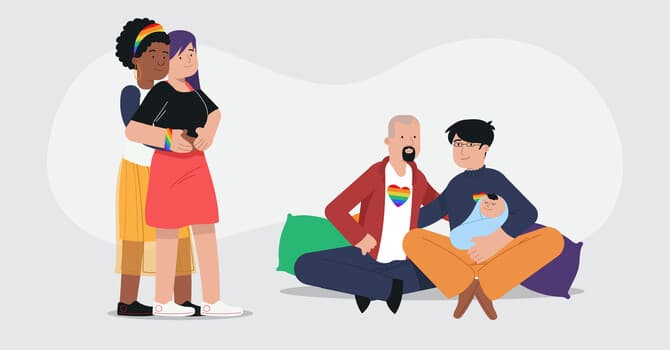
The Importance of Being an LGBTQIA+ Supporter in Therapy
Support can be life-changing—especially for LGBTQIA+ individuals navigating a world that does not always affirm their identities. Being an LGBTQIA+ supporter, sometimes called an ally, goes beyond simply accepting someone’s identity. It means actively creating spaces where people feel seen, respected, and safe to show up as their full selves. In the context of therapy, this kind of support is not just meaningful—it is essential.
At Inclusive Therapy Group, LGBTQIA+ affirmation is not a side note in care. It is a core part of how therapy is practiced and how healing is supported.
Why LGBTQIA+ Support Matters
Many LGBTQIA+ individuals face unique stressors that impact mental health. Experiences such as discrimination, family rejection, social stigma, and barriers to healthcare can create chronic stress that affects emotional well-being. Research consistently shows higher rates of anxiety, depression, and trauma among LGBTQIA+ populations—not because of identity itself, but because of how society often treats that identity.
Having supportive environments can dramatically change those outcomes.
When people feel affirmed in who they are, they are more likely to develop resilience, maintain healthier relationships, and engage more openly in therapy. Support signals to LGBTQIA+ individuals that they do not have to hide parts of themselves in order to receive care.
What LGBTQIA+ Support Looks Like in Therapy
In therapy, being supportive goes far beyond saying “everyone is welcome.” It means actively understanding the experiences, language, and challenges that LGBTQIA+ individuals may face.
This includes:
Affirming Identity
Therapists who are supportive respect names, pronouns, and identities without question. This helps create an environment where clients do not have to spend emotional energy explaining or defending who they are.
Understanding Intersectionality
LGBTQIA+ identities intersect with race, culture, disability, neurodivergence, and many other lived experiences. Supportive therapy acknowledges these intersections and how they shape a person’s mental health journey.
Recognizing Unique Relationship Structures
Many LGBTQIA+ individuals also explore relationship models such as polyamory or chosen family structures. Affirming therapists approach these dynamics without judgment and help clients navigate them in healthy ways.
Addressing Minority Stress
Supportive therapists understand concepts like minority stress, internalized stigma, and identity-based trauma. This awareness allows therapy to focus on healing rather than pathologizing identity.
Creating Safe Spaces for Healing
Feeling safe is one of the most important elements of effective therapy. When LGBTQIA+ clients know they will not be judged or misunderstood, they are more likely to open up about their experiences, relationships, and struggles.
Supportive therapy also helps individuals build tools for navigating the outside world—whether that means setting boundaries with family, advocating for themselves in healthcare systems, or exploring identity in ways that feel authentic and empowering.
For many people, therapy becomes one of the first places where they can truly breathe.
The Role of Inclusive Therapy Group
At Inclusive Therapy Group, the goal is to create a therapeutic environment where LGBTQIA+ clients feel genuinely understood. Our clinicians prioritize cultural competency, ongoing education, and compassionate care to ensure therapy is both affirming and effective.
Being an LGBTQIA+ supporter in therapy means recognizing that identity is not something to fix—it is something to honor. When therapists approach care from a place of respect, curiosity, and affirmation, they help clients build healthier relationships with themselves and with the world around them.
Everyone deserves a space where they can be fully seen. Inclusive, affirming therapy helps make that possible.
https://inclusivetherapygroup.com/blog/the-importance-of-being-an-lgbtqia-supporter-in-therapy